I always wanted this blog to be a compendium of my thoughts on my main obsessions of running, the outdoors and music, which probably serves to explain my inactivity since my first few posts because its somewhat muddled concept. There is a symbiosis when I consider that my main outlet for long form music is my long run. It’s just about the only time I get to spend quality time with albums that I would otherwise chop into bitesize chunks onto highlight reel playlists. This has always been a marriage of convenience with the relationship defined by the simple placing of the two activities into the same available space, but more recently my trail meditations have revealed a deeper and more spiritual crossing of the paths.
As a mental health professional I’ve never been too far from the emerging world of mindfulness and it’s purported benefits to those experiencing a range of common mental health problems. Running always seemed to concord with its principle that life is to be lived and experienced in the moment, freeing you from the baggage of legacy and fear of what’s to come. Running trails, particular in twilight or dark gives you no space for your mind to wander as you react to the terrain and the challenge it presents.
Music is often just the passive soundtrack to this and sometime serves to take you away from from the beauty of silence and the ambience of night time nature. But on occasion the noise in your ears and the context of your run meld to deliver a piece of ‘in the moment’ magic that transcends both activities.
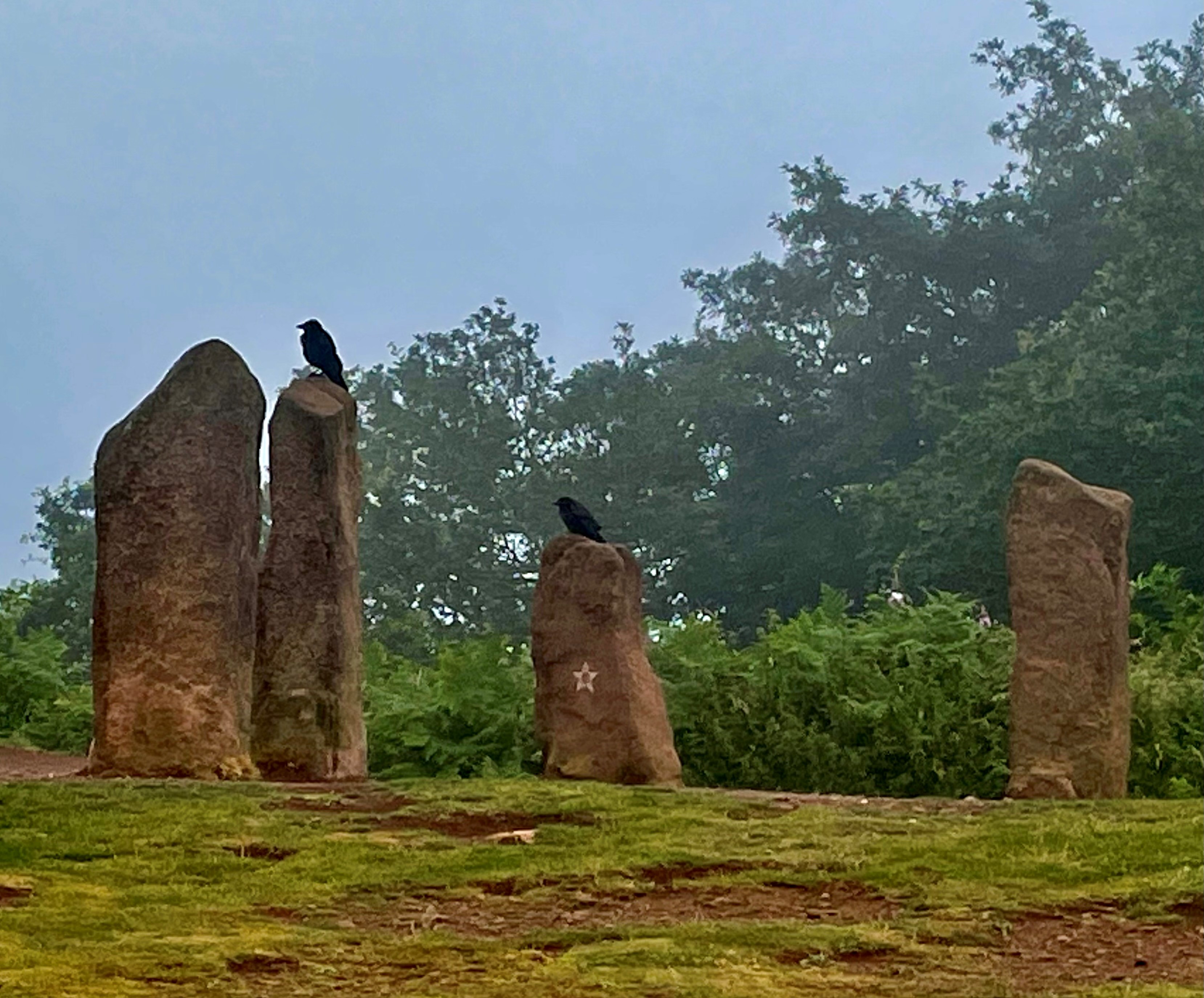
On one occasion during the early part of summer I was taking the longest and steepest path up a local landmark hill, at dusk, in a mist that sat below the summit, evoking the spirit of much grander climbs. My soundtrack was A Pagan Place by The Waterboys and I approached the top as the albums final track played. Down Through the Dark Streets is a stark piece built around a plaintive piano riff and pleading lyrics evoking images of time and place, in a first person narrative. Its dark tone and evocation of place connected totally with the physical toil of the climb and accorded even more when I noticed the secular monument that crowns the hill was itself crowned by a murder of carrion crows. It was as if they were waiting for sorry carcass and Mike Scott only served to soundtrack the drama playing out in my head. There would be worse ways and places to go.
 Black Country Trundler: A tale of slow running, fast food and loud music (sometimes all at once)